
Brian Pratt | Organizational Intelligence Architect
AI Strategy • Business Architecture • Community Ecosystems
Helping organizations become more intelligent, connected, resilient, and sustainable.
What becomes possible
when we see connections that weren't apparent before?
Curiosity Was Part of the Environment I Grew Up In
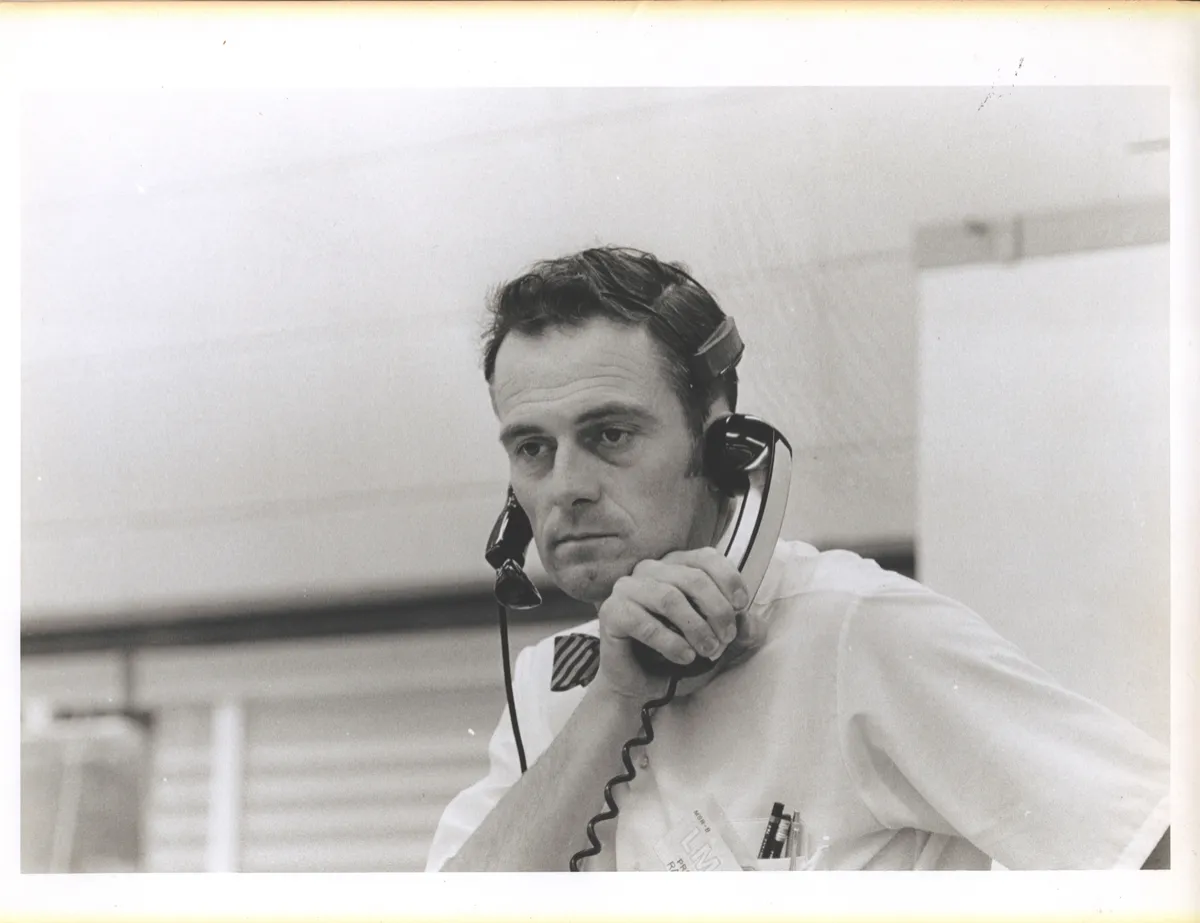
Ray Pratt — Apollo 11
Grumman Lunar Module Program
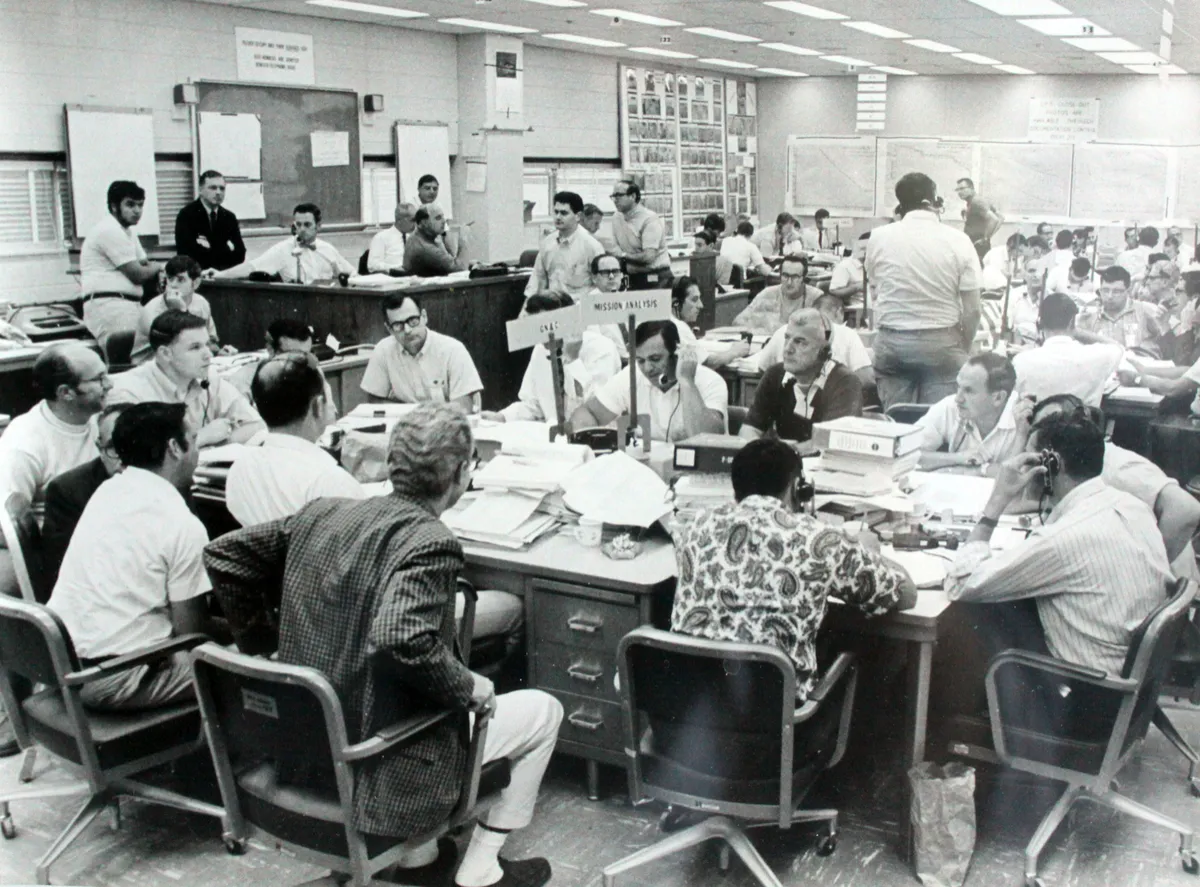
Grumman Lunar Module
Mission Control Room
Long Island, New York
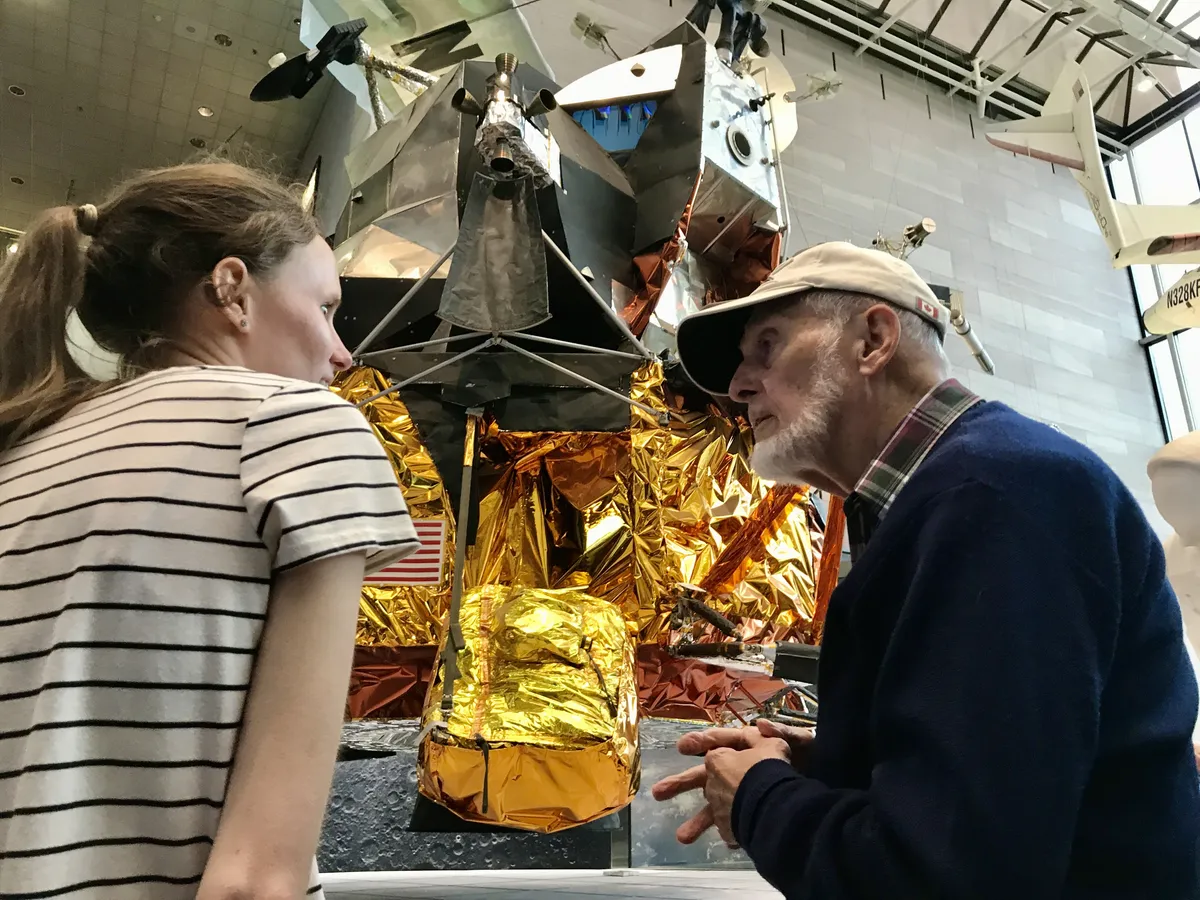
Sharing the Lunar Module story with his granddaughter Caitlyn
Smithsonian National Air and Space Museum
My father was an engineer, designer, inventor, and a prominent contributor to Grumman's Lunar Module program for Apollo.
But his greatest influence on me wasn't simply what he accomplished.
It was how he looked at the world.
Much of his work required thinking about problems that hadn't been encountered—or sometimes even recognized—before. He taught me not to be intimidated by complexity, but to approach it almost like a kid walking into a candy store: with curiosity, excitement, and the sense that there was always something new waiting to be discovered.
That became an insatiable thirst for knowledge that has stayed with me throughout my life. An idea I've carried with me captures that mindset well:
“The eyes cannot see what the mind does not know.”
The more we learn, the more we're capable of seeing.
Learning gives us new lenses. It enables us to recognize patterns, connections, problems, and possibilities that may have been there all along but that we simply weren't equipped to see.
But my father taught me something else that has become equally important:
Knowledge isn't meant simply to be accumulated. Its real value comes from making it useful. Understanding something for myself was never quite enough.
Could I explain it?
Could I connect it to something else?
Could I make it useful to someone else?
Could they take it somewhere I hadn't imagined?
That way of thinking has shaped much of my vocation
I've developed an enormous appetite for learning across disciplines, but the real satisfaction comes from connecting what I've learned, translating it into something useful, and making it available for someone else to take in a direction uniquely their own. Perhaps that is where the catalyst in me began.
Curiosity Became a Vocation
I've come to think of what I do less as a career and more as a vocation—a happy calling built around curiosity, learning, connecting, and doing.
That calling has taken me through many different roles and environments.
I've been a design engineer, entrepreneur, business architect, executive, advisor, educator, mentor, technologist, community builder, and collaborator. My work has crossed technology and telecommunications, business and entrepreneurship, education, government, financial services, healthcare, nonprofit organizations, and community development—both in the United States and internationally.
On the surface, those experiences can look quite different.
To me, there has always been a common thread:
I build connections between things.
People and knowledge.
Strategy and execution.
Technology and human behavior.
Business and community.
Experience and new ideas.
I've learned that some of the most interesting opportunities exist not within any one of those areas, but at the intersections between them.
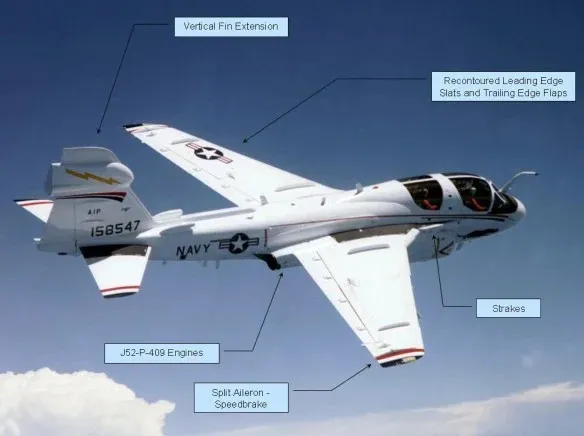
EA-6B Prowler — Flight Test
Software, Design & Flight Engineering
Northrup Grumman Aircraft
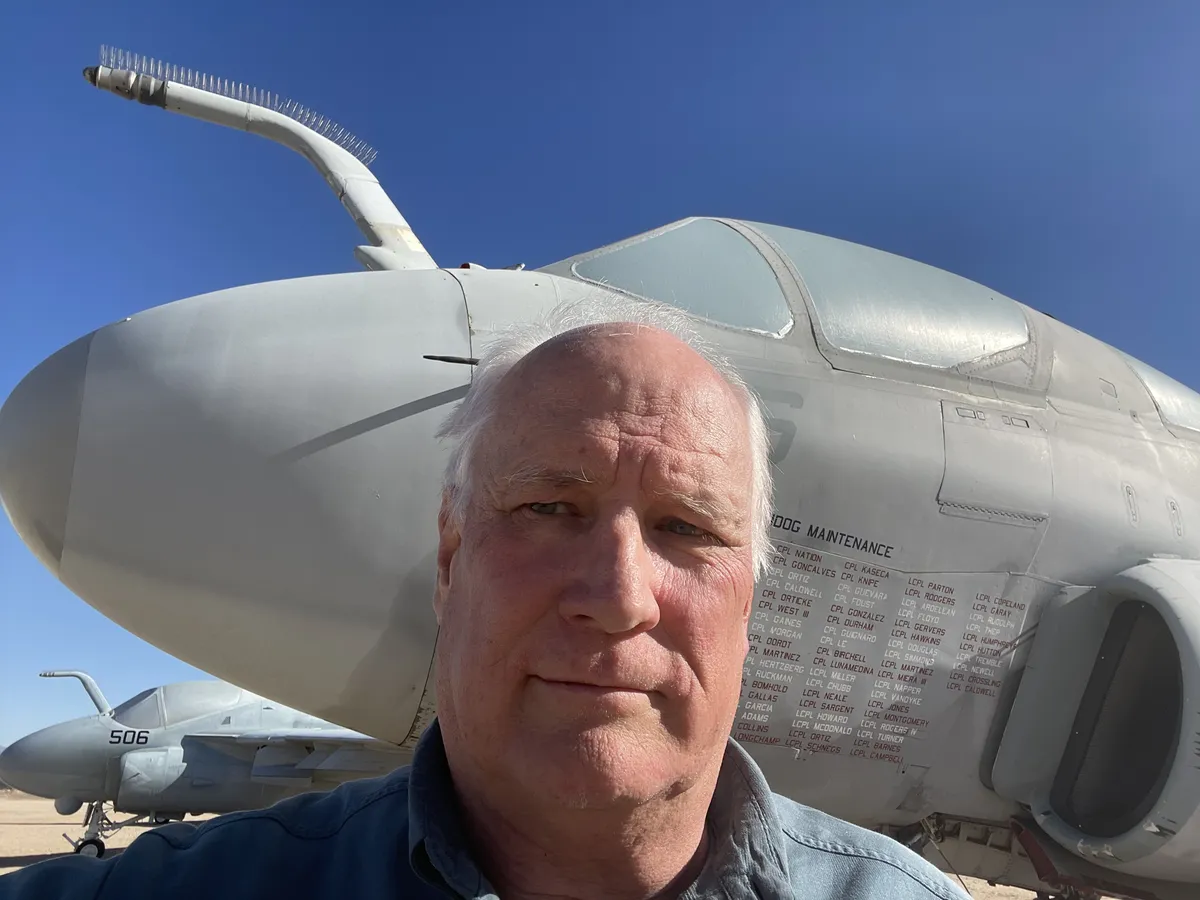
Years Later — The Same Aircraft
After transition from flight test into fleet service VMAQ-3 Nicknamed "FrankenProwler"
Pima Air and Space Museum
Learning Is Only the Beginning
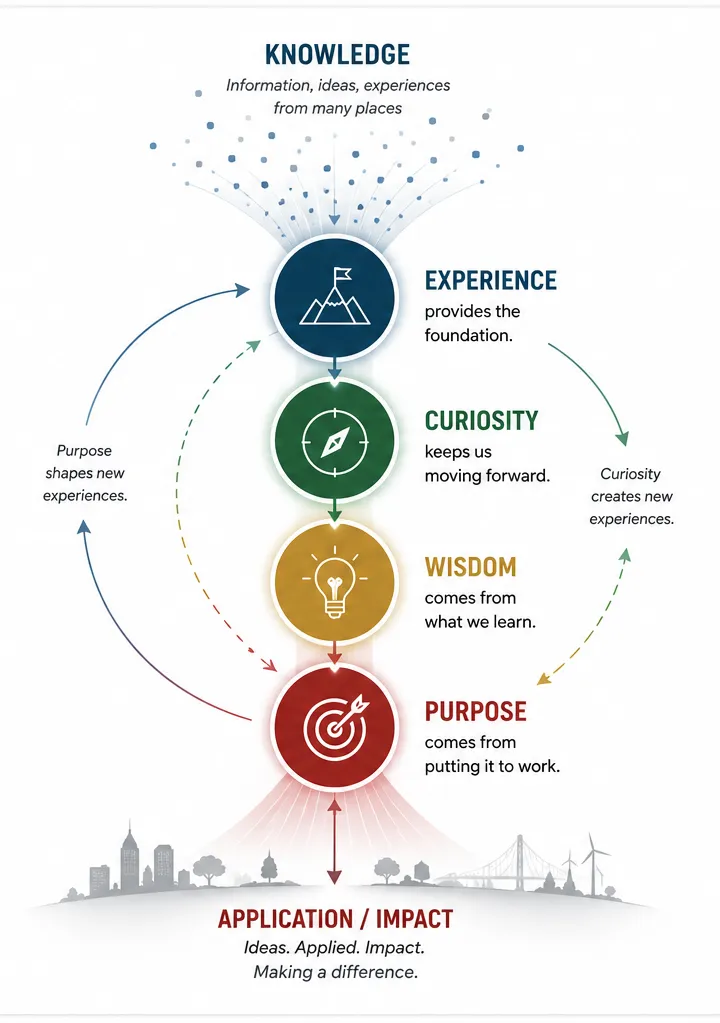
Knowledge matters deeply to me. But accumulating knowledge has never been the objective.
Eventually, we have to do something with what we learn.
Over time, a simple philosophy has emerged:
Experience provides the foundation.
Curiosity keeps us moving forward.
Wisdom comes from what we learn.
Purpose comes from putting it to work.
I've spent more than three decades trying to put that philosophy into practice—building businesses, technologies, strategies, frameworks, organizational systems, and community ecosystems.
Some worked extraordinarily well.
Some taught me what not to do.
Both were valuable.
Because experience isn't simply what succeeds. Experience is also what we learn from trying.
Connecting the Pieces
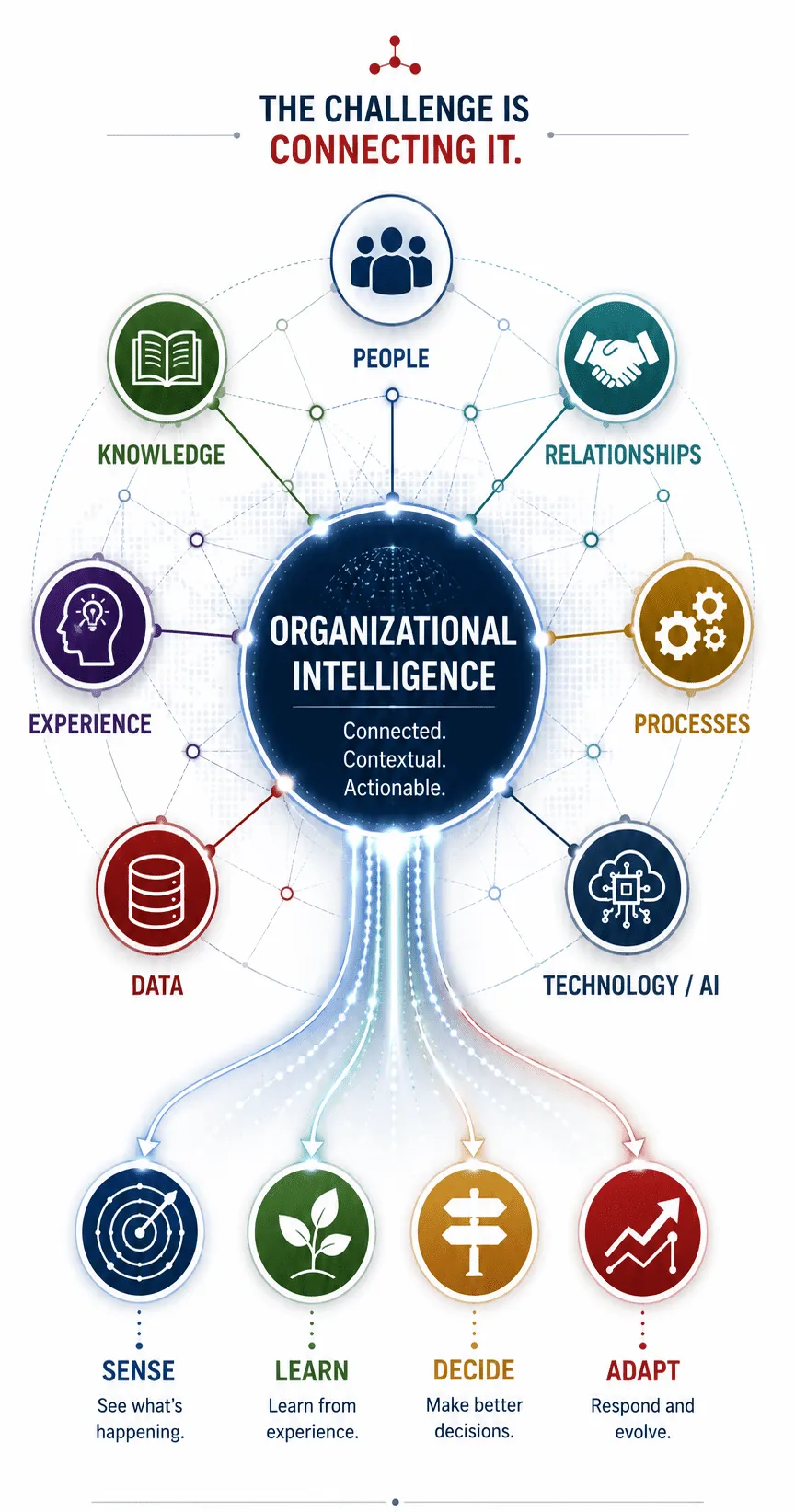
Today, many of those seemingly separate pathways are converging in what I describe as Organizational Intelligence.
Organizations possess enormous intelligence.
It exists in their people, their experiences, their relationships, their processes, their data, their institutional knowledge, and increasingly in the technologies and artificial intelligence available to them.
The challenge is connecting it.
How does an organization better sense what is happening?
How does it capture what its people know?
How does it learn from experience rather than repeatedly rediscovering it?
How does it recognize important signals?
How does it make better decisions?
How does it adapt?
And now:
How can AI strengthen those capabilities without losing the human intelligence, judgment, relationships, and purpose that make an organization what it is?
Those are the questions that fascinate me today.
Not AI for the sake of AI.
Not technology for the sake of technology.
It's about how we connect people, knowledge, processes, technology, and purpose to help organizations become more intelligent, adaptive, resilient, and sustainable.
Sometimes the Role Changes
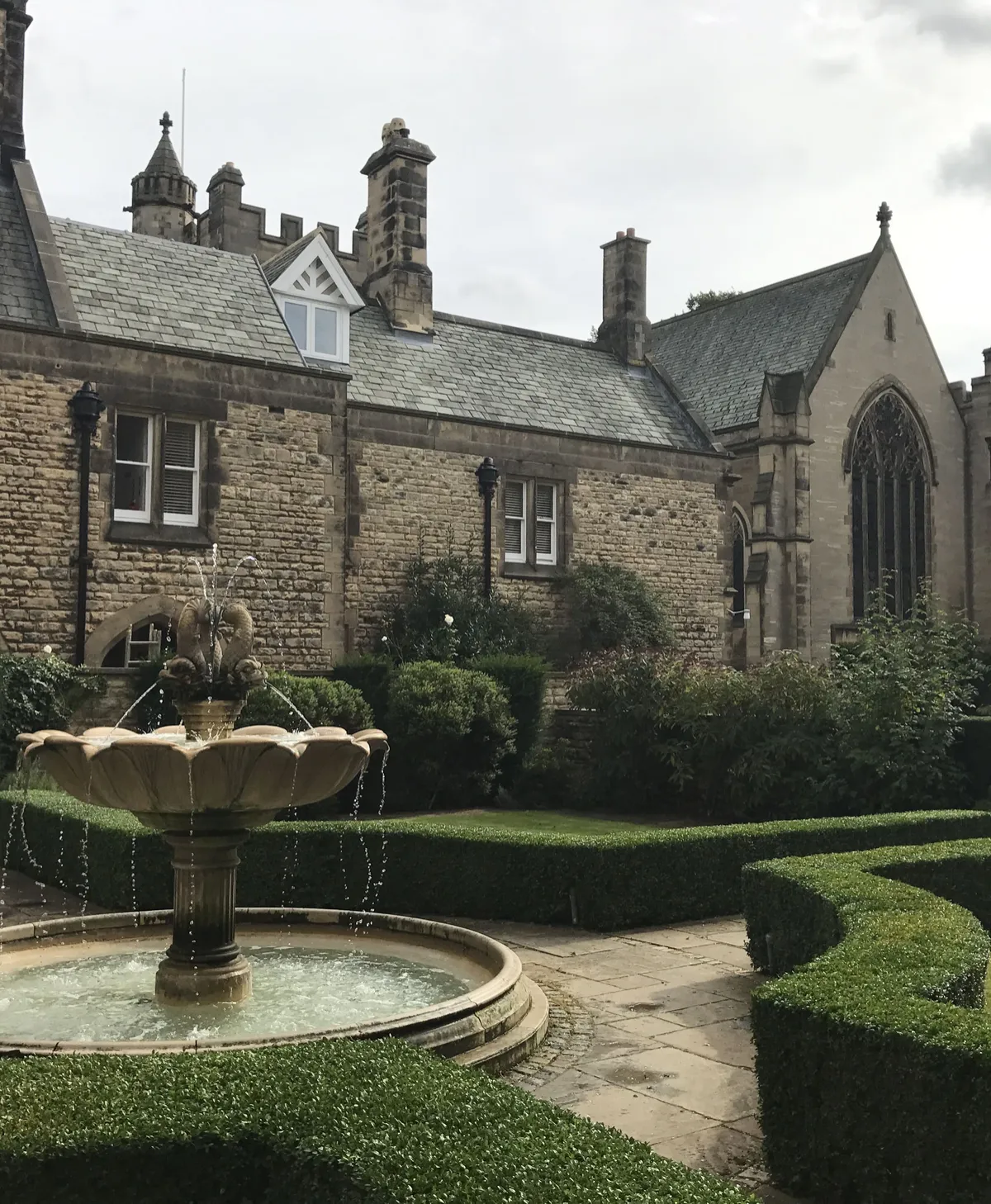
Harris Manchester College
Univerity of Oxford
Sometimes my role is architect.
Sometimes it is advisor.
Sometimes it is teacher, collaborator, connector, or mentor.
And sometimes my most useful contribution is simply asking the question that hasn't been asked yet.
The role matters less to me than the outcome.
I don't expect to walk into a room knowing everything.
I do expect to bring experience, listen carefully, ask good questions, challenge assumptions when appropriate, share what I've learned, and remain curious enough to discover something I didn't know when I walked in.
The best ideas rarely emerge in isolation.
They grow through conversation, collaboration, experimentation, different perspectives, and a willingness to keep learning. That's one reason I enjoy bringing people together.
You never quite know what might happen when the right people, ideas, knowledge, and purpose connect.
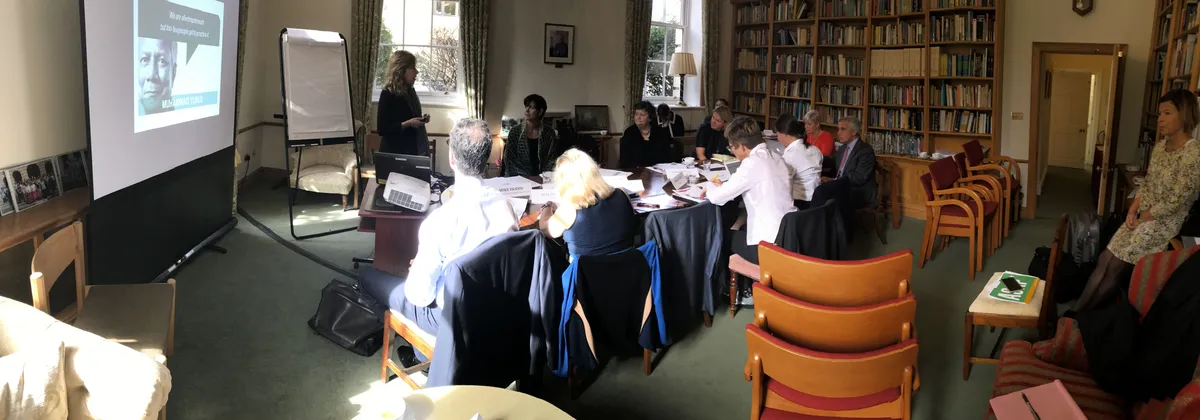
Global Coalition on Aging — Re-Engineering the 21st Century Workforce
Invited global working session ● Harris Manchester College, University of Oxford
I'd Rather Be a Catalyst
At this point in my journey, I'm increasingly interested not simply in what I can build, but in:
What can others build from it?
I don't particularly want people to follow my pathway.
They have their own.
I'd rather help create foundations that enable other people to discover opportunities, make connections, develop ideas, and build something uniquely theirs.
That means sharing what I've learned.
Connecting people who might benefit from knowing one another.
Creating frameworks others can improve.
Teaching what I know.
Learning from people who know things I don't.
Helping an idea get started even when someone else may ultimately take it much further.
To me, that's not losing ownership of an idea.
That's success.
If something I've learned, built, taught, or helped connect enables another person, organization, or community to accomplish something none of us could have accomplished alone, then something worthwhile has happened.
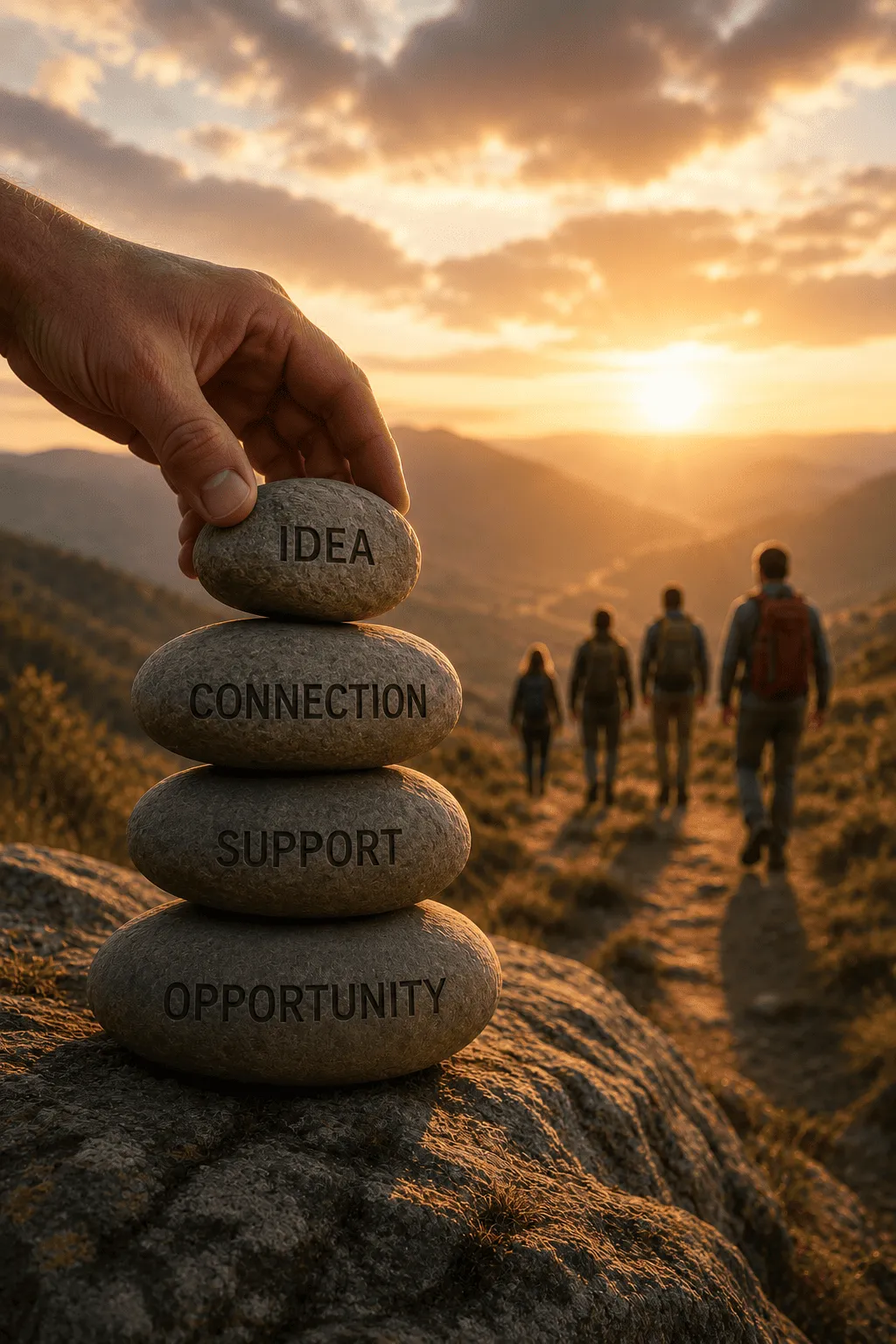
Leave the Campsite Better Than You Found It
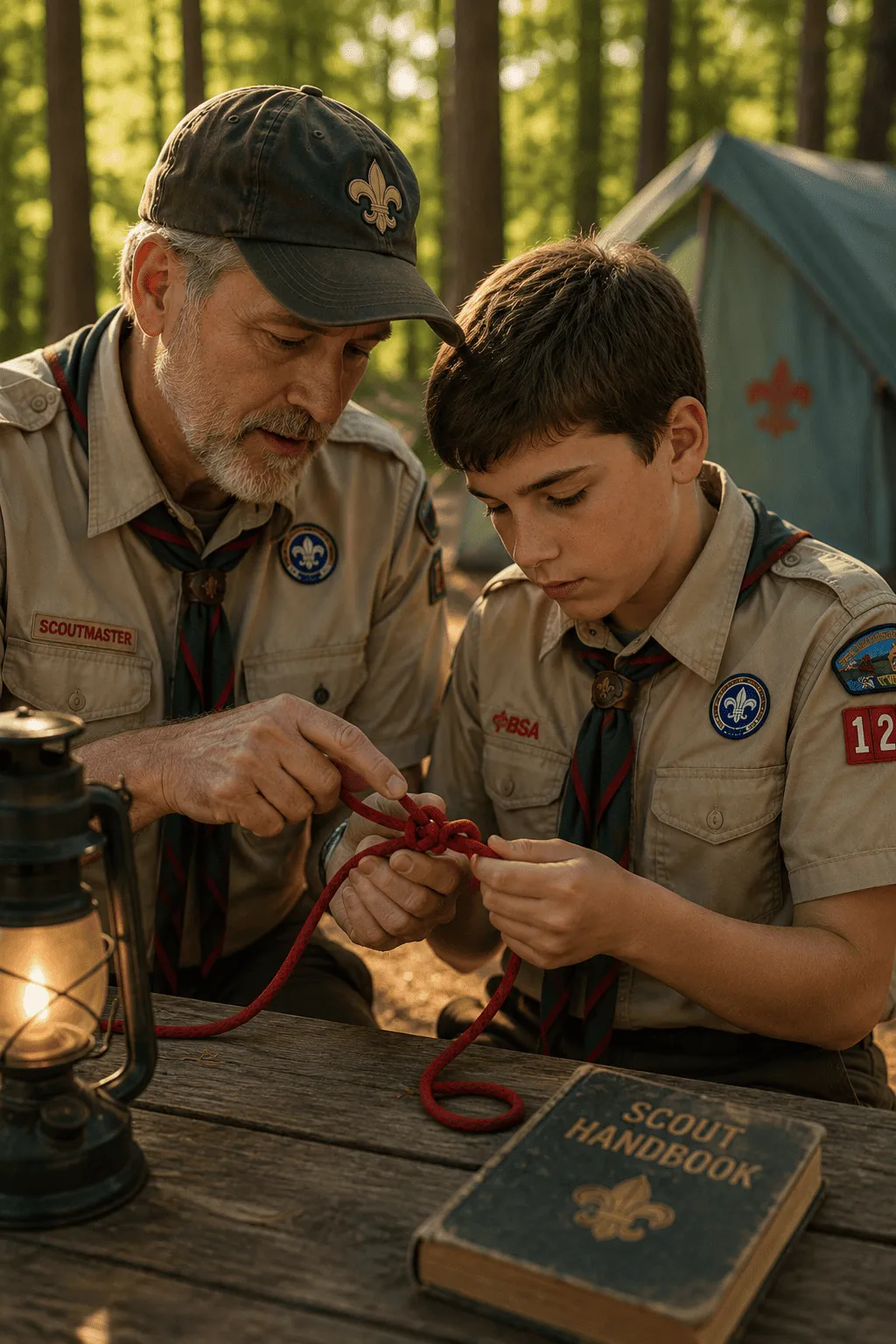
As an Eagle Scout, there is another simple idea I've carried with me for much of my life:
Leave the campsite better than you found it.
I've come to realize that it describes much more than taking care of the physical place where you've been.
For me, it has become a way of thinking about life, leadership, business, and community.
Stay curious.
Keep learning.
Be useful.
Treat people well.
Share what you know.
Help others succeed.
Have the courage to explore something new.
Build things that matter.
And whenever possible:
Leave behind something others can build upon.
My father's generation helped expand what humanity could see and imagine.
In my own much smaller way, I hope I can do something similar for the people, organizations, and communities whose paths intersect with mine—not by giving them my pathway to follow, but by helping them see possibilities for their own.
Someone helped expand what I could see.
Perhaps I can help someone else see a little farther.
And perhaps they'll take it somewhere I never imagined.
That would be a pretty good campsite to leave behind.

Let's Connect
There will always be more to learn.
Another problem worth solving.
Another person worth meeting.
Another connection waiting to be made.
And another possibility worth exploring.
If you're working on an idea, challenge, organization, or community where our experience, ideas, and curiosity might intersect, I'd enjoy the conversation.
Continue the Conversation




Copyright 2026 . All rights reserved


